
Posts on the Topic Suppliers
 AI-generated
Factoring converts unpaid invoices into working capital, helping businesses cover short-term expenses and manage cash-flow timing without reducing costs. It works best with sound receivables, disciplined forecasts, and careful attention to fees, reserves, and repayment obligations....
 AI-generated
Digital platforms in reverse factoring are revolutionizing supply chain financing by enhancing efficiency, transparency, and supplier relationships through user-friendly interfaces and AI integration. This shift emphasizes the importance of supplier diversity while adapting to regulatory changes that impact financial practices....
 AI-generated
Invoice financing, especially factoring, offers immediate cash flow and operational efficiency but may lead to loss of control over collections and potential financial instability....
 AI-generated
Reverse factoring is a financial tool that enhances cash flow for suppliers by allowing buyers to facilitate early payments through a bank, improving supplier relationships and working capital management. This method differs from traditional factoring as it is initiated by...
 AI-generated
Reverse factoring is a financial solution that allows suppliers to receive immediate payments for their invoices through a bank, enhancing liquidity and optimizing cash flow for businesses. This method benefits both parties by streamlining payment processes and strengthening supplier relationships....
 AI-generated
Practical examples verstehen und nutzen. Umfassender Guide mit Experten-Tipps und Praxis-Wissen....
 AI-generated
Reverse factoring enhances cash flow management by allowing buyers to extend payment terms while ensuring suppliers receive prompt payments, fostering stronger supplier relationships and operational efficiencies. This innovative financing method supports financial stability and competitiveness in modern business environments....
 AI-generated
Reverse factoring enhances cash flow by allowing buyers to pay suppliers early through a financial institution, improving supplier liquidity and optimizing working capital for buyers. This solution fosters stronger relationships between companies and their suppliers while providing flexibility in payment...
 AI-generated
Axis Bank's reverse factoring enhances liquidity and cash flow for businesses by enabling suppliers to receive immediate payments while buyers enjoy extended payment terms, fostering stronger supplier relationships. This innovative financing solution supports operational efficiency and financial stability across the...
 AI-generated
Reverse factoring enhances cash flow management by allowing companies to extend payment terms while ensuring suppliers receive timely payments, fostering stronger supplier relationships and operational flexibility. This strategic financing method not only mitigates risks but also provides businesses with a...
 AI-generated
Reverse factoring is a financial solution that enhances cash flow management by allowing suppliers to receive timely payments, benefiting both buyers and suppliers. It fosters strong relationships, improves working capital for suppliers, and enables buyers to negotiate better terms....
 AI-generated
Invoice factoring in Malaysia is a tech-driven, flexible financing solution with unique local practices—including syariah-compliant options—that help businesses manage cash flow and growth....
 AI-generated
Zalando’s reverse factoring lets suppliers receive early invoice payments via a partner bank, improving their cash flow while Zalando maintains its own payment terms....
 AI-generated
Santander integrates reverse factoring into its core corporate banking, offering tailored, digital solutions that boost supply chain resilience and working capital efficiency....
 AI-generated
Invoice financing enables Kenyan businesses to unlock immediate cash from unpaid invoices, fueling growth, stability, and rapid expansion while optimizing their cash cycles....
 AI-generated
Invoice factoring provides immediate cash flow, strengthens supplier negotiations, and reduces admin workload but can impact confidentiality, margins, and customer relations....
 AI-generated
Reverse factoring is a buyer-initiated financing solution where suppliers receive early payment from a financier based on the buyer’s credit, improving cash flow and strengthening supply chain relationships....
 AI-generated
Carillion’s heavy reliance on reverse factoring masked its true financial risks, directly contributing to its collapse and devastating suppliers and creditors....
 AI-generated
HSBC’s reverse factoring solutions help businesses optimize cash flow, support suppliers with early payments, and strengthen supply chains through tailored, tech-driven services. With global expertise, local support, and advanced digital tools, HSBC ensures transparency and efficiency for companies of all...
 AI-generated
Reverse factoring is a financial tool that enhances supply chain stability by addressing suppliers' liquidity needs and offering buyers extended payment terms, fostering collaboration. Successful implementation requires strong buyer creditworthiness, supplier willingness, robust technology, clear agreements, compliance with regulations, risk...
 AI-generated
Reverse factoring is a financial tool where buyers use their credit strength to offer suppliers early payments, improving cash flow and fostering supply chain stability. Unlike traditional factoring, it shifts control to the buyer, reduces financing costs for suppliers, and...
 AI-generated
Reverse factoring, while offering liquidity and cash flow benefits, poses hidden challenges such as financial strain, dependency on external providers, power imbalances, and reduced transparency. Both buyers and suppliers risk operational inefficiencies, eroded margins, over-reliance on financing methods, and weakened...
 AI-generated
Reverse factoring is a financial tool that enhances cash flow and supplier relationships by allowing early payments, but it requires transparency to avoid misleading financial reporting and dependency risks....
 AI-generated
Reverse factoring, or supply chain financing, allows companies to pay suppliers early through a financial institution while extending their own payment terms. Proper accounting for reverse factoring involves accurately recording liabilities and expenses in compliance with relevant standards like IFRS...
 AI-generated
Factoring is a financial strategy where businesses sell their accounts receivable to third parties for immediate cash, improving cash flow and reducing credit risk. This method benefits SMEs by providing quick financing, enhancing supplier relationships, and allowing focus on core...
 AI-generated
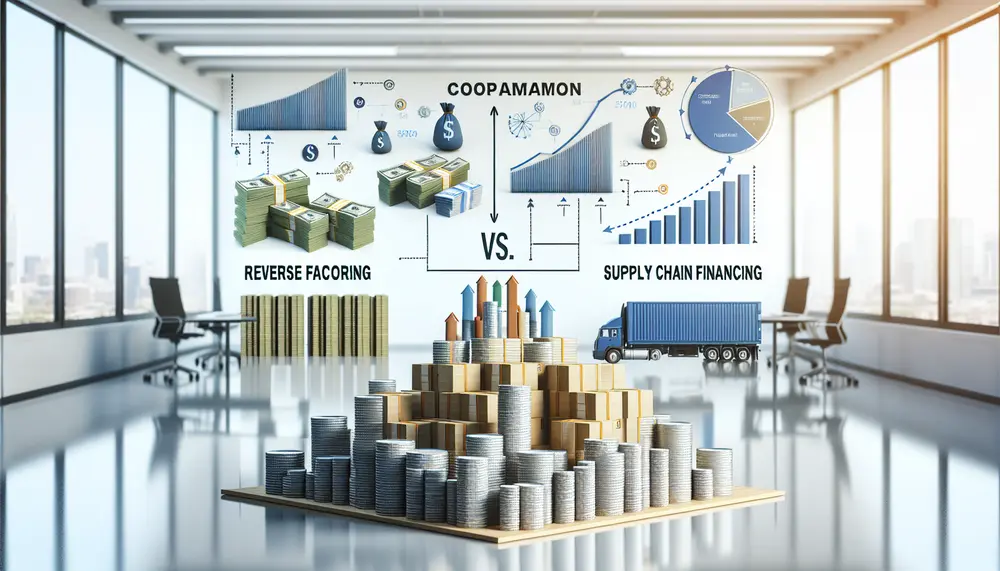
The article compares reverse factoring and supply chain financing, highlighting their differences in initiation, process, flexibility, cost structure, and risk management. It explains that while both methods aim to improve cash flow and strengthen financial relationships within the supply chain,...
 AI-generated
Reverse factoring, also known as supply chain financing, helps businesses manage cash flow by allowing suppliers to receive early payments through a financial institution initiated by the buyer. KPMG enhances this process with customized solutions, advanced technology, and risk management...
 AI-generated
Reverse factoring platforms help businesses manage cash flow by allowing suppliers to receive early payment for invoices while buyers can extend their payment terms. These digital tools connect buyers, suppliers, and financial institutions, offering features like automated processes, real-time tracking,...
 AI-generated
Reverse factoring, or supply chain financing, is a financial strategy where companies use intermediaries to pay suppliers quickly while negotiating longer payment terms for themselves. This enhances cash flow and strengthens supplier relationships, improving overall business resilience by maintaining liquidity...
 AI-generated
Reverse Factoring and Confirming are financial tools that enhance cash flow management in businesses by ensuring suppliers receive payments promptly while allowing buyers to manage their finances more effectively. Reverse Factoring is initiated by the buyer to help suppliers finance...


